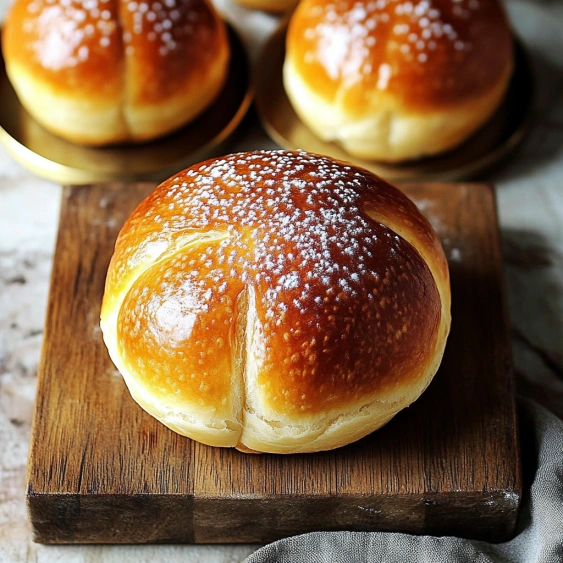
Achieve Fluffy Brioche Buns: The No-Knead High-Hydration Secret
Imagine sinking your teeth into a light, airy, and utterly buttery brioche bun, fresh from your own oven. Sounds like a daunting task, right? Most people associate brioche with complex techniques, endless kneading, and specialized equipment. But what if we told you there's a secret to achieving those coveted fluffy brioche buns with surprising ease? The answer lies in a revolutionary approach: the no-knead, high-hydration dough method. This game-changing technique makes crafting
easy no knead brioche rolls overnight and refrigerated or not a reality for even the most novice home baker, promising bakery-quality results without the fuss.
Forget the stand mixer and the hours of elbow grease. This simple recipe relies on basic pantry staples and minimal effort, delivering rolls that are perfect for everything from gourmet burgers and pulled pork sandwiches to a delightful breakfast companion. The magic lies in understanding a few key principles that transform humble ingredients into a symphony of soft, rich flavor.
The Genius of No-Knead, High-Hydration Dough
The cornerstone of these impossibly fluffy brioche buns is the ingenious combination of "no-knead" and "high-hydration." Let's break down why this approach works so well for brioche:
*
High-Hydration: The Secret to Airiness
The "high-hydration" aspect simply means the dough contains a higher ratio of liquid (water, milk, eggs, melted butter) to flour than typical bread recipes. This results in a very wet, sticky dough initially – a sight that might tempt you to add more flour and knead it into submission. *Resist this urge!* That stickiness is precisely what allows the gluten strands to develop on their own, over time, without manual kneading. The ample moisture allows the flour to fully hydrate, creating a flexible, extensible dough structure that traps air beautifully, contributing to the incredibly soft, open crumb and melt-in-your-mouth texture that brioche is famous for. Trying to knead such a wet dough would indeed require adding significant amounts of flour, which would only make the final product denser and less delicate – precisely what we don't want.
*
No-Knead: Time Does the Work for You
Instead of physical manipulation, the no-knead method leverages time. As the dough rests, enzymes naturally present in the flour begin to break down starches into sugars, feeding the yeast and allowing the gluten network to relax and develop. The yeast, too, plays a crucial role, producing carbon dioxide that gently stretches and strengthens the gluten strands. This passive development creates a robust yet tender internal structure, yielding a supremely light and airy crumb without any effort on your part. It's a testament to patience paying off, making homemade brioche accessible to everyone.
Your Step-by-Step Guide to Fluffy Brioche Rolls
Crafting these delightful rolls is surprisingly straightforward. Here’s how you can achieve brioche perfection:
1.
Combine Dry Ingredients: In a large bowl, whisk together your all-purpose flour, granulated sugar, salt, and instant yeast. Using instant yeast is key here, as it doesn't require prior proofing and can be mixed directly with the dry ingredients. Ensure everything is well combined to distribute the yeast evenly.
2.
Prepare Wet Ingredients: In a separate bowl, whisk together cold water and an egg. Then, in a small saucepan, gently heat milk and butter together until the butter is just melted and the mixture is warm, not hot. The goal is for the combined milk-butter mixture to be perfectly lukewarm when added to the egg-water mixture. This ensures the temperature is ideal for yeast activation – not too cold to inhibit it, and not too hot to kill it.
3.
Mix Wet and Dry: Pour the combined lukewarm wet ingredients into the bowl with the dry ingredients.
4.
Form the Dough Ball: Using a sturdy spatula or a wooden spoon, stir vigorously but briefly, just until all the flour is incorporated and a sticky dough ball forms. *Do not overmix.* The dough will look very wet and shaggy, almost like a thick batter, and that's perfectly normal and desired. There's no need for a smooth, elastic ball at this stage.
5.
First Rise (Bulk Fermentation): Cover the bowl with plastic wrap or a damp towel and place it in a warm spot to rise. A good trick for creating a warm spot is to turn your oven on for a minute or two, then turn it off and place the bowl inside with the door slightly ajar. Let the dough rise until it has visibly doubled in size, which can take anywhere from 1.5 to 3 hours depending on your kitchen's temperature and the vitality of your yeast.
6.
Punch Down: Once doubled, gently punch the dough down using two forks or a spatula. This step deflates the dough, redistributes the yeast, evens out the temperature, and helps release large gas pockets.
7.
Portion and Shape: Lightly flour your hands and work surface. Carefully transfer the sticky dough onto the floured surface. Divide the dough into 8 to 10 equal portions. To shape each portion into a smooth ball, use the pinky edges of your hands to cup and tuck the dough underneath itself, rotating it to create surface tension and a smooth top. Use flour sparingly, only as much as needed to prevent sticking.
8.
Second Rise (Proofing): Arrange the shaped rolls on a parchment-lined baking sheet, leaving some space between them. Cover loosely and allow them to rise again. The second rise typically takes less time than the first, anywhere from 30 minutes to an hour. The rolls won't necessarily double but should look considerably puffed and feel light to the touch. This is where your patience truly pays off for that ultimate fluffiness.
9.
Egg Wash and Bake: Preheat your oven. Just before baking, gently brush the top of each bun with an egg wash (one egg whisked with a tablespoon of water or milk). This gives the brioche its characteristic golden, glossy crust. Transfer the pan to the oven and bake for approximately 15 to 20 minutes, or until the rolls are beautifully golden brown and sound hollow when tapped on the bottom.
The Overnight Advantage: Refrigeration for Flavor and Convenience
One of the greatest advantages of this
easy no knead brioche rolls overnight and refrigerated or not method is its incredible flexibility. While you can certainly bake these decadent rolls the same day you mix the dough, allowing the dough to slowly cold-proof in the refrigerator overnight profoundly deepens its flavor and improves its texture.
*
Enhanced Flavor: The slow, cold fermentation gives the yeast more time to work its magic, developing complex, nuanced flavors that simply aren't present in a quicker, warmer rise. This results in brioche with a richer, more profound taste profile.
*
Improved Texture: A longer, colder rise also leads to a more robust gluten structure, which in turn contributes to a more tender, delicate, and open crumb. The dough becomes easier to handle after its cold nap, too.
*
Unbeatable Convenience: For busy schedules, the overnight refrigeration option is a game-changer. You can mix the dough in minutes the evening before, let it go through its first rise, then punch it down, shape it, and pop it in the fridge. In the morning, simply take the shaped rolls out, let them come to room temperature and proof for an hour or so (often referred to as the "cold proof and warm up"), then egg wash and bake. Imagine fresh, warm brioche buns ready for breakfast or brunch with minimal morning effort!
For more detailed guidance on how to manage your baking schedule, explore
Easy No-Knead Brioche Rolls: Overnight or Same-Day Baking. If you're specifically wondering about the mechanics and benefits of chilling your dough, dive into
Can You Refrigerate Brioche Dough Overnight for Easy Baking? for expert tips.
Tips for Brioche Perfection & Serving Suggestions
To ensure your brioche buns turn out perfectly every time, keep these additional tips in mind:
*
Measure Accurately: Especially with high-hydration doughs, precise measurements (preferably by weight for flour) are crucial for consistency.
*
Don't Over-Flour: When shaping, resist the urge to add excessive flour to your hands or work surface. A light dusting is enough; too much will alter the dough's hydration and make your rolls tough.
*
Proofing Temperature: Yeast is sensitive to temperature. Ensure your liquids are lukewarm, and your rising spot is warm but not hot (ideally 75-80°F or 24-27°C).
*
Storage: Freshly baked brioche buns are best enjoyed the day they are made. Store any leftovers in an airtight container at room temperature for up to 2-3 days, or freeze for longer storage. Gently reheat them in a warm oven for a "fresh from the bakery" experience.
These versatile brioche buns are perfect for a myriad of uses:
*
Savory: They make an exquisite choice for burgers, pulled pork, grilled chicken, or any gourmet sandwich. Their buttery richness complements savory fillings beautifully.
*
Sweet: Split them and fill with jam, Nutella, or a dollop of whipped cream and fresh berries for a decadent treat.
*
Breakfast: Toast them lightly and serve with scrambled eggs, bacon, or a simple smear of butter and honey. They elevate any breakfast table.
Conclusion
Baking exquisite, fluffy brioche buns at home doesn't have to be a daunting culinary feat. By embracing the simplicity of the no-knead, high-hydration method, you unlock a world of delicious possibilities. Whether you opt for same-day baking or leverage the convenience and flavor enhancement of an overnight refrigeration, these
easy no knead brioche rolls overnight and refrigerated or not will become a cherished recipe in your kitchen. So go ahead, gather your ingredients, and prepare to impress yourself and your loved ones with the melt-in-your-mouth magic of homemade brioche. The aroma alone will make you wonder why you didn't try this sooner!